Smart Growth, Smart Transit, Smart Communities
Smart growth is not a density policy. It is an activation policy — and the station area is where you can see whether it is working.
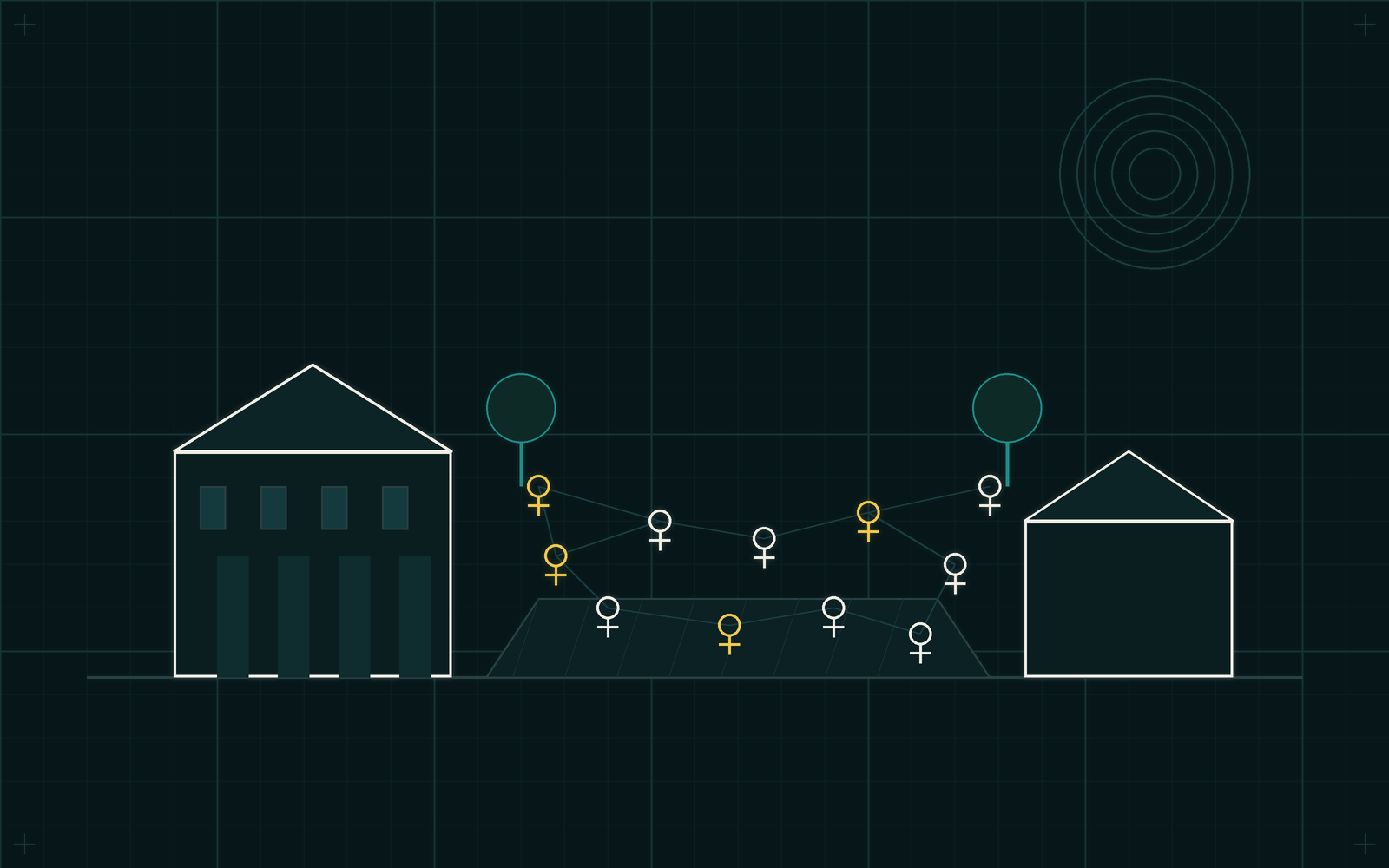
Smart growth has a reputation problem. In practice it is read as a euphemism for upzoning, which is why so many good station-area conversations die in the first meeting. The more useful reframing is that smart growth is about activation: whether the land around a transit investment is being used by the people who live there, across more of the day and more of the week.
The station area is the unit of account
Half a mile is the conventional walkshed, but the honest unit is smaller: what a person can reach in five minutes without thinking about it. Parking fields, superblocks and dead frontage defeat a station more effectively than low density does.
[Editor note: drop in the site plan or map from the Irvington TOD work — one drawing will do more than three paragraphs here.]
Activation is a design problem before it is a zoning problem
Three moves show up in every station area that works: continuous frontage on the street that leads to the platform, a mix of uses that are open at different hours, and a public space with a reason to be there beyond waiting. None of those require a height increase. All of them require someone to be responsible for the ground floor.
The equity test
A density increase is not equitable just because it adds supply. Three questions worth asking early: who can afford what gets built, who gets displaced while it is being built, and who gets the access improvement — the new residents, the existing ones, or the commuters driving in from elsewhere.
The transit case for smart growth is easy to state: ridership depends on destinations within walking distance, so land use policy is transit policy. The harder half is that the benefits are regional while the costs land on a specific block.
What to measure
Metrics that survive scrutiny: share of trips in the walkshed made on foot, number of active ground-floor frontages by block, hours of day that the station area has people in it, and the ratio of new units at below-market rent to the total permitted. Those four will tell you more than the unit counts.
Smart communities are the third leg and the least discussed: the local capacity to make the plan in the first place. A community with a current comprehensive plan, a housing needs assessment and a functioning planning board moves twice as fast as one starting from nothing — regardless of what its zoning allows.